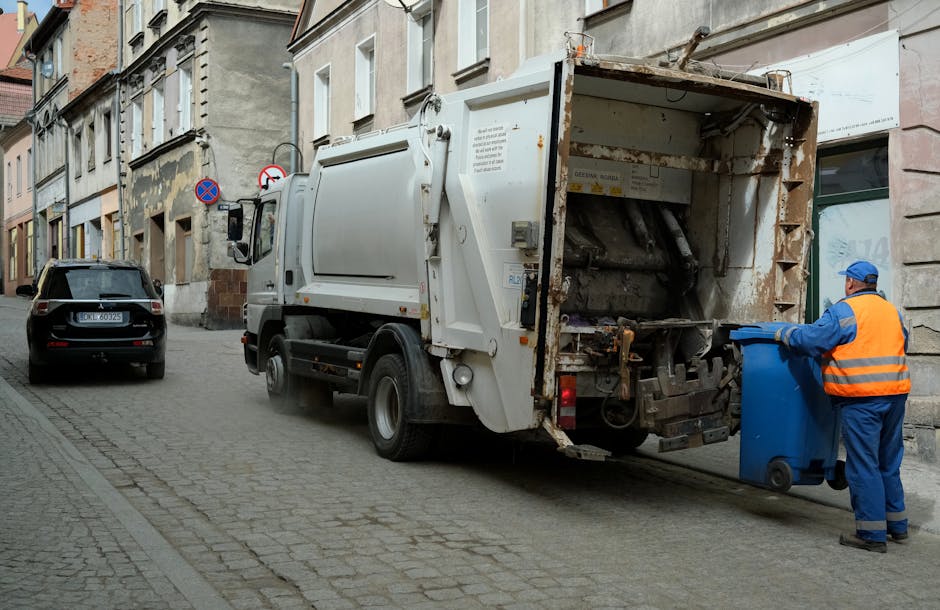
What to Know for Emergency Rubbish Removal in Ealing
If you are suddenly staring at a pile of bags in the hallway, broken furniture by the kerb, or builders' debris that has turned a room into an obstacle course, you are not alone. Emergency rubbish removal in Ealing is usually needed when waste has become more than an inconvenience: it is blocking access, creating a safety risk, or simply cannot wait until "next week." The good news is that a fast, well-organised clearance can restore order surprisingly quickly. The trick is knowing what matters most, what to ask, and what to avoid when time is tight.
This guide breaks down what to know for emergency rubbish removal in Ealing in plain English. You will learn how the service works, when it makes sense, what to prepare, and how to choose the right option without rushing into a poor decision. A little clarity now can save a lot of stress later. And let's face it, when rubbish is in the way, nobody wants a complicated process.
Why What to Know for Emergency Rubbish Removal in Ealing Matters
Emergency waste situations are rarely neat. One minute you have a clear landing or drive; the next, there are smashed cupboards, old mattresses, or black bags stacked somewhere they really should not be. In a busy part of West London like Ealing, that can become a genuine issue very quickly. Narrow access, shared entrances, parking pressure, and busy pavements all make delayed clearance more awkward.
The practical problem is not just mess. Rubbish can attract pests, make slips and trips more likely, block fire exits, and create tension with neighbours or landlords. For businesses, it can also affect customers, staff movement, and basic presentation. If waste is left after a late-night move, a renovation, or an unexpected property clear-out, the situation can feel bigger than the rubbish itself. Truth be told, it often is.
That is why a fast response matters. Emergency rubbish removal is less about speed for speed's sake and more about preventing a small problem from becoming a bigger one. It also helps to use a service that understands the difference between regular rubbish, bulky items, and specialist waste. If you need a broader overview of clearance options, the main waste removal page is a useful starting point, while services such as house clearance and office clearance can be more suitable for larger, property-based jobs.
Expert summary: In an emergency, the best rubbish removal service is not just the quickest one. It is the one that can clear safely, communicate clearly, and remove waste in a way that fits the site, the timing, and the type of material involved.
How What to Know for Emergency Rubbish Removal in Ealing Works
Most urgent rubbish clearances follow a fairly simple process, although the details depend on the volume, access, and type of waste. In practice, it usually starts with a quick description of what needs removing. Photos help a lot. They let the team judge whether they are dealing with general household rubbish, bulky furniture, builders' waste, garden waste, or a mixed load that needs more planning.
Once the job is assessed, the next step is usually a time estimate and a quote. In emergency situations, that quote may need to be based on limited information first and then confirmed on arrival. That is normal. What matters is transparency: a clear explanation of what is included, what could change the price, and whether there are restrictions on access, parking, lifting, or special handling.
On the day, the team should arrive ready to load, sort, and remove the waste with minimal disruption. If the waste includes heavy or awkward items, such as wardrobes or broken appliances, the crew may need extra care to protect walls, floors, and door frames. It is one of those jobs where the last five metres matter most. A rushed lift through a tight hallway can cause more trouble than the rubbish ever did.
For some emergency clearances, the work is straightforward. For others, it can be part of a broader property clearance. For example, if a loft overflowed after a leak, or a garage was cleared before a repair, the right service might overlap with loft clearance, garage clearance, or home clearance. If the waste includes old sofas, tables, or cabinets, the specialised routes of furniture clearance and furniture disposal may be the better fit.
Key Benefits and Practical Advantages
The obvious benefit is speed. When a hallway, shopfront, yard, or driveway is cluttered, fast removal gives you back usable space. But that is only the start. A proper emergency clearance also reduces risk, reduces stress, and helps you make the next decision with a clear head instead of a panicked one.
- Safer access: you can move through the property without tripping over bags, timber offcuts, or broken items.
- Less disruption: families, tenants, staff, and visitors can use the space sooner.
- Better hygiene: urgent removal can help when waste has started to smell or attract unwanted attention.
- Faster follow-on works: cleaners, decorators, handymen, or builders can start sooner once the waste is gone.
- Less emotional strain: especially during moves, bereavements, or last-minute property handovers.
There is also a practical money angle, though it is easy to overlook in the moment. Leaving rubbish too long can lead to extra handling, missed appointments, or additional damage. For a landlord, for instance, a blocked entryway can delay inspections or repairs. For a shop or office, it can simply look untidy enough to put people off. Not ideal, especially when you are already juggling a dozen other things.
Another advantage is sorting. A good clearance crew can often separate reusable, recyclable, and disposable material on site. If sustainability matters to you, the company's recycling and sustainability approach is worth checking before you book. It is a small detail, but a meaningful one.
Who This Is For and When It Makes Sense
Emergency rubbish removal is not only for major messes. It is for anyone facing a situation where waiting would cause inconvenience, risk, or practical difficulty. The most common cases are fairly ordinary, which is exactly why they can be overlooked until they become urgent.
- Homeowners: after a hurried move, unexpected delivery issues, DIY overrun, or a family clear-out that got out of hand.
- Tenants: when a move-out deadline is close and bulky items still need to go.
- Landlords and agents: after a tenancy ends with leftover belongings or rubbish that needs quick attention.
- Businesses: when stock, packaging, office furniture, or general clutter has started affecting operations.
- Builders and trades: when waste from a project needs clearing fast so the next stage can begin.
- Older residents or families under pressure: when a space needs to be made safe without a long, stressful sorting process.
It also makes sense when there is a narrow time window. Perhaps an estate agent has scheduled viewings, a landlord needs to hand back keys, or a builder is waiting to resume work. In those cases, the question is not whether the rubbish is annoying. It is whether it is stopping something else from happening. That is the real trigger.
For work-related waste, especially where quantities are larger or more routine, business waste removal may be a better fit. If the job involves renovation debris, builders waste clearance is usually the more suitable route.
Step-by-Step Guidance
If you need emergency rubbish removal in Ealing, a clear process helps you move from panic to action. Here is a sensible order to follow.
- Identify the waste type. Is it general rubbish, furniture, garden waste, construction debris, or a mix? This affects price, vehicle space, and how the team handles it.
- Estimate access. Think about stairs, lifts, parking, rear access, and whether items need to be carried a long distance. Small details matter here. A lot.
- Take a few photos. Wide shots and close-ups are ideal. They help the provider understand the real volume and any awkward items.
- Ask what is included. Check loading, labour, disposal, and any minimum charge. If there is a parking challenge, mention it early.
- Confirm timing. Emergency does not always mean immediate, but it should mean rapid communication and a realistic arrival window.
- Remove personal or sensitive items. Before the team arrives, put aside documents, keys, medication, bank cards, and anything you do not want mixed in with the waste.
- Clear a route if you can. Even ten minutes spent moving a car, opening gates, or unlocking a side entrance can save time on site.
- Stay available for questions. A quick decision on the day can prevent delays.
- Check the final load. Before the truck leaves, make sure nothing important has accidentally been taken.
It sounds basic, but the preparation stage often decides whether a job feels smooth or chaotic. If you have ever watched a team work around a pile of mixed items in a tight Ealing terrace at dusk, you know how much easier the whole thing becomes when the route is clear and the details are right.
Expert Tips for Better Results
The best emergency clearances tend to run on a few simple habits. They are not flashy, but they work.
First, be precise about the waste. "A bit of rubbish" is never enough detail. Say whether it is bagged household waste, dismantled furniture, garden cuttings, broken flooring, or office clutter. Mixed loads can be handled, but clarity helps.
Second, mention anything awkward. A freezer in a basement, a mattress on the top floor, or wet waste in a garden shed all change the job. If there is a smell, a leak, or sharp debris, say so. No need to dramatise it, just be accurate.
Third, ask about insurance and safety. A reputable provider should have sensible procedures for lifting, vehicle loading, and site protection. You can usually learn a lot from how they talk about their insurance and safety standards and their health and safety policy.
Fourth, keep your expectations practical. In an emergency, the aim is efficient removal and safe handling, not perfection. If there are fragile surfaces, tight stairs, or parking limits, a bit of flexibility goes a long way.
Fifth, ask what happens to the waste. You do not need a lecture, just a straight answer. Reuse, recycling, and responsible disposal should be part of the conversation, not an afterthought.
A small personal note: in urgent jobs, the smoothest ones are usually the ones where the customer has already done the little admin steps. Photos sent. Access explained. Gate unlocked. It makes a surprising difference. Not glamorous, but very effective.
Common Mistakes to Avoid
When time is tight, people tend to make the same avoidable mistakes. Most of them are understandable. Some are expensive.
- Waiting too long to call: the later you leave it, the fewer options you may have for timing.
- Underestimating volume: rubbish often takes more space than it looks like it does from the doorway.
- Ignoring access issues: a van cannot magically appear inside a courtyard with no turning space.
- Not separating valuables: small items get overlooked when everything is piled together.
- Assuming all waste is the same: builders' waste, furniture, and general rubbish can be handled differently.
- Skipping the quote details: a rushed booking without clear terms can lead to awkward surprises.
- Choosing purely on speed: speed matters, yes, but a clear and safe process matters more.
The one that catches people most often is access. A clearance team can work quickly, but only if the route is realistic. If a van has to park five streets away and carry loads through a narrow entrance, that needs to be discussed upfront. It is not a problem. It just has to be known.
Another common issue is mixing urgent rubbish with items that should be reused, donated, or stored. Once the pile is moving, people sometimes regret not sorting a few things first. That regret tends to arrive about thirty seconds too late.
Tools, Resources and Recommendations
You do not need specialist equipment to prepare for emergency rubbish removal, but a few simple tools make the process easier and safer.
- Phone camera: take clear photos from different angles.
- Gloves: useful if you are moving sharp or dirty waste before collection.
- Strong bin bags or sacks: for smaller loose items.
- Marker pen and labels: helpful if some items are to stay and others are to go.
- Torch or phone light: useful in lofts, sheds, garages, or poorly lit hallways.
- Door wedges or keys: practical when access is being shared or managed in stages.
From a service perspective, a few pages can help you decide what kind of clearance you really need. For example, if the emergency is happening in a flat with shared stair access, flat clearance may be more appropriate. If the issue is old furniture taking up too much space, furniture disposal may be enough rather than a full clearance. And if the mess has spread across several rooms, home clearance can give you a fuller reset.
For homeowners dealing with a whole-property issue, the broader house clearance service can be a practical way to bundle the job. If you are dealing with a particularly awkward space like a garage or loft, those targeted services often save time and reduce confusion.
Law, Compliance, Standards, or Best Practice
Emergency rubbish removal still needs to be handled properly. Even when the job is urgent, waste should be collected, transported, and disposed of in line with normal UK waste-handling expectations. You do not need to become an expert in the legal side, but you should expect the provider to work responsibly.
In simple terms, best practice means the waste should not be fly-tipped, left on public land, or handled carelessly. Reputable removal teams should operate with sensible vehicle loading, safe lifting, and appropriate disposal routes. If they mention paperwork, insurance, or environmental handling, that is usually a good sign, not a bureaucratic nuisance.
For customers, the main thing is to avoid passing waste to anyone who cannot explain what happens next. If a price sounds too good to be true, ask the obvious question: where is it going? That is not being difficult. That is being sensible.
If you are booking clearance for a workplace, more care may be needed around duty of care, staff safety, and access management. The same goes for mixed loads that may include electrical items, construction waste, or bulky furniture. A provider with clear processes and a straightforward booking flow is usually a safer bet than one that only talks about speed.
Options, Methods, or Comparison Table
Different emergency rubbish situations call for different methods. Here is a simple comparison to help you choose more confidently.
| Option | Best for | Strengths | Watch-outs |
|---|---|---|---|
| General rubbish removal | Bagged waste, mixed household clutter, quick clear-ups | Fast, flexible, often easy to arrange | Less ideal if the load includes large furniture or heavy debris |
| Furniture clearance | Sofas, beds, wardrobes, tables, cabinets | Useful for bulky items and tight spaces | Check access and item condition before booking |
| Builders waste clearance | Renovation rubble, timber, plasterboard, mixed trade waste | Good for site turnaround and post-refurb tidying | Can be heavier and more labour-intensive |
| House or home clearance | Whole-property or multi-room clearances | More comprehensive, often simpler for larger jobs | Needs clearer planning and item sorting |
| Business waste removal | Offices, shops, workspaces, stock overflow | Suitable for commercial timing and operational pressure | May need access coordination and after-hours planning |
If you are unsure which route fits best, do not guess. Describe the waste honestly and ask for guidance. A sensible provider will tell you whether you need a narrow service or a broader one. That alone can save money and a bit of hassle.
Case Study or Real-World Example
Picture a typical weekday in Ealing. A tenant is moving out, the final inspection is the next morning, and there are still broken shelves, two bagged piles of mixed rubbish, and a tired-looking chair sitting in the living room like it owns the place. Nothing dramatic, just awkward enough to become a problem by 6 p.m.
In a situation like that, the key is not to keep sorting endlessly. The tenant takes a few photos, separates personal items, and explains the access: first-floor flat, shared hallway, limited parking outside. The clearance team arrives with a realistic plan, removes the bulky bits first, then clears the smaller rubbish. The flat is usable again, and the landlord has a cleaner handover the next day.
That kind of job sounds simple, but it works because the details were handled early. The customer knew what had to be done, what could wait, and what mattered most. A small amount of clarity turned a stressful evening into a manageable one. It still felt a bit frantic, to be fair, but it got done.
Practical Checklist
Use this quick checklist before your emergency rubbish removal booking.
- Identify exactly what needs removing.
- Take clear photos of the waste and access route.
- Check whether the items are general rubbish, furniture, builders' waste, or a mixed load.
- Remove personal belongings, documents, and valuables.
- Confirm access details, parking limits, stairs, and any lift use.
- Ask what is included in the quote.
- Check whether the job is suitable for same-day or next-day collection.
- Ask about insurance, safety, and responsible disposal.
- Make sure the path to the waste is as clear as possible.
- Keep your phone nearby in case the team needs a quick decision.
Small but useful reminder: if the mess is in a garage, loft, or garden, that space often needs slightly more planning than it first appears. Low light, damp items, and awkward access can slow things down.
Conclusion
What to know for emergency rubbish removal in Ealing comes down to three things: act quickly, describe the waste clearly, and choose a provider that takes safety and disposal seriously. Once those pieces are in place, the rest becomes much easier. You do not need to overthink every detail, but you do need enough information to avoid delays and surprises.
Whether you are dealing with a sudden home clear-out, a business clutter issue, bulky furniture, or builders' debris, the smartest approach is the same: be specific, stay practical, and ask the right questions before the van arrives. That way, the job is not just fast. It is done properly.
If you are comparing options, it can also help to review the company's wider service pages, such as pricing and quotes, about us, and contact us so you know who you are dealing with and how they operate. For anything that is especially sensitive, it is worth checking the supporting policy pages too, including payment and security and terms and conditions.
Get a free quote today and see how much you can save.
Frequently Asked Questions
What counts as emergency rubbish removal in Ealing?
It usually means rubbish that needs to go quickly because it is blocking access, creating a safety issue, affecting a handover, or causing disruption that cannot reasonably wait. That might be bagged waste, bulky furniture, builders' debris, or mixed household clutter.
How fast can emergency rubbish be removed?
That depends on the type and amount of waste, the time you contact the provider, and how easy the access is. Same-day collection is sometimes possible, but realistic timing matters more than vague promises.
Do I need to sort the rubbish first?
Not usually in detail. It helps to separate valuables, documents, and anything you want to keep, but mixed loads are common. The clearer you can be about what is included, the better.
Can emergency rubbish removal handle furniture and bulky items?
Yes, in many cases. Sofas, beds, wardrobes, chairs, and cabinets are common emergency clearance items. If the items are especially heavy or hard to access, mention that when booking.
Is emergency rubbish removal more expensive?
It can be, because urgent timing and difficult access may affect the job. The best way to avoid surprises is to share photos and accurate details before the team arrives.
What if the rubbish is from building work?
Builders' waste is often handled differently from general rubbish because it can be heavier and more awkward. If the load is mainly renovation debris, a builders waste clearance service is usually more appropriate.
Can I book rubbish removal for a flat or shared building?
Yes. Flats are very common clearance jobs, but access details matter more in shared properties. Stairs, lifts, and parking restrictions should be explained clearly.
What should I do before the team arrives?
Remove personal items, clear a route if you can, and make sure someone is available to answer questions. A few minutes of preparation can make the whole job run much more smoothly.
How do I know the waste will be handled properly?
Ask about disposal practices, insurance, and safety procedures. You want a provider that can explain its process in simple terms and does not dodge straightforward questions.
Can I use emergency rubbish removal for an office or business?
Yes. Offices, shops, and other business spaces often need urgent clearance when clutter starts affecting operations. Business waste removal is usually the better fit for commercial jobs.
What if I only need one room cleared?
That is absolutely fine. Emergency clearances do not have to be whole-house jobs. A single room, loft, garage, or garden area can be cleared just as effectively.
Should I ask about recycling?
Yes, if it matters to you, and it usually should. Responsible providers should be able to explain how they approach reuse and recycling without making a song and dance about it. Simple, clear answers are the best kind.
What is the most common mistake people make?
Underestimating the size of the job. A pile that looks manageable often turns out to take more time, labour, and vehicle space than expected. Sending photos early helps avoid that.
What if the rubbish is urgent but I am not sure what service I need?
Describe the situation in plain language and ask for guidance. A good provider will help you narrow it down. You do not need to know the jargon first.