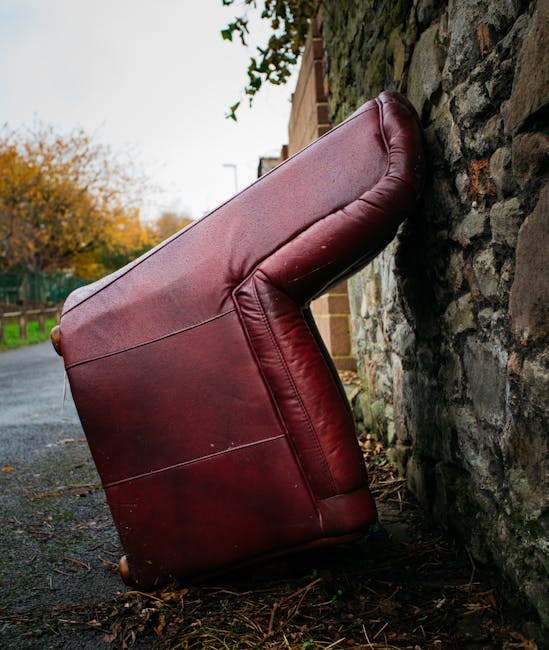
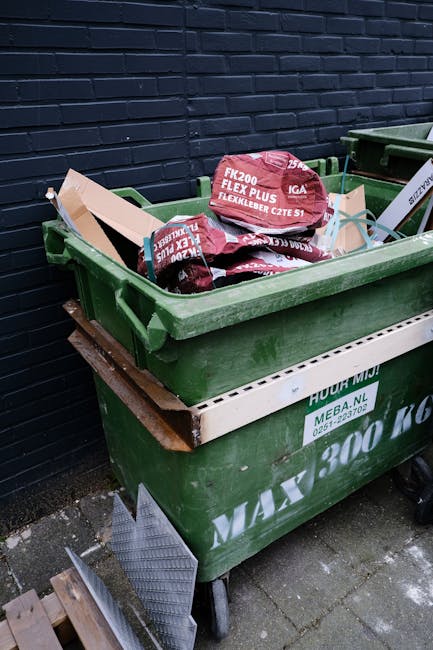
W5 garden waste and bulky rubbish collection tips
If you live in W5 and your garden has suddenly turned into a pile of branches, hedge cuttings, old fencing, and that one awkward mattress nobody seems to own, you are not alone. A proper plan for W5 garden waste and bulky rubbish collection tips can save time, reduce stress, and stop you making the classic mistake of leaving everything until the last minute on a damp Sunday morning.
Whether you are clearing a small courtyard in Ealing, tidying up after a landscaping job, or getting rid of bulky household items before a move, the goal is the same: sort the waste properly, avoid unnecessary charges, and choose the right collection method for the job. Below, you will find a practical, local-minded guide that covers what works, what does not, and how to make the whole process much easier. To be fair, a little planning goes a long way here.
Table of Contents
- Why W5 garden waste and bulky rubbish collection tips matters
- How W5 garden waste and bulky rubbish collection tips works
- Key benefits and practical advantages
- Who this is for and when it makes sense
- Step-by-step guidance
- Expert tips for better results
- Common mistakes to avoid
- Tools, resources and recommendations
- Law, compliance, standards, or best practice
- Options, methods, or comparison table
- Case study or real-world example
- Practical checklist
- Conclusion
- Frequently asked questions
Why W5 garden waste and bulky rubbish collection tips Matters
Garden waste and bulky rubbish are two of the easiest types of waste to underestimate. A few bags of hedge clippings can quickly become a car boot full of soggy green waste. Likewise, one old wardrobe can turn into a logistical headache if you do not have a clear collection plan. In a busy area like W5, where parking can be tight and access is not always straightforward, good preparation matters even more.
The practical value is simple. If you separate your waste properly and choose the right collection route, you reduce wasted space, avoid mixed-load penalties, and make the collection faster for everyone involved. That can mean a cleaner garden, less lifting, fewer repeat trips, and a calmer day overall. And let's face it, rubbish rarely becomes less annoying if you ignore it for another week.
There is also a trust factor. When waste is handled properly, you are far less likely to end up with items dumped in the wrong place or passed to someone without the right disposal method. For households, landlords, letting agents, and small businesses in W5, that peace of mind is worth having.
If you are looking for broader local support around waste removal, you may also find our rubbish removal in Ealing service useful, especially if your job includes mixed waste rather than garden waste alone.
How W5 garden waste and bulky rubbish collection tips Works
At a practical level, the process usually starts with sorting. Garden waste is typically things like grass cuttings, leaves, small branches, hedge trimmings, plant cuttings, and soil in limited quantities depending on the service. Bulky rubbish is different: think sofas, beds, wardrobes, tables, broken appliances, old outdoor furniture, sheds panels, and awkward items that will not fit in normal bins.
The main thing to understand is that garden waste and bulky items are often handled through different collection routes, even if they end up in the same van. Some providers specialise in mixed load clearances, while others prefer separate pricing or separate booking rules. That is why one size never quite fits all.
In most cases, the collection works like this:
- You identify the waste type and volume.
- You separate reusable, recyclable, and non-recyclable items where possible.
- You check access, parking, and any loading restrictions.
- You book a suitable collection window.
- You place items where they can be lifted safely and quickly.
- The waste is loaded, transported, and taken to the appropriate facility.
That sounds simple, and usually it is. But the difference between a smooth pickup and a frustrating one often comes down to small details: where the waste is placed, whether it is mixed with soil or rubble, and whether someone remembered to dismantle the bulky items first.
Key Benefits and Practical Advantages
Getting the process right brings a few very real benefits.
- Less hassle: clear sorting and preparation mean fewer delays on collection day.
- Better value: separating waste can help avoid paying bulky-item rates for material that should be treated differently.
- Safer handling: lifting a dismantled wardrobe is easier than wrestling a fully assembled one through a narrow hallway.
- Cleaner finish: your garden or property looks properly cleared, not half-done.
- Better recycling outcomes: green waste, wood, metal, and some hard plastics can often be managed more responsibly when separated.
There is a quiet practical benefit too: once you get organised, the job stops feeling endless. A bit like clearing a garage, the first twenty minutes are usually the hardest. After that, momentum does the work for you.
For larger clearances, especially if the waste is mixed with old household items or renovation debris, you might also want to look at our bulky item collection service to see whether a dedicated pickup is more sensible than several separate trips.
Who This Is For and When It Makes Sense
This guide is useful for a wide range of people in W5:
- Homeowners tidying gardens after pruning or landscaping
- Tenants and landlords dealing with end-of-tenancy clearances
- Property managers handling household and garden waste together
- Small businesses with outdoor maintenance waste
- Anyone with bulky items that are too awkward for standard collection
It makes sense to book a collection when the waste is too much for your own car, too heavy to move safely, or too mixed to leave sitting around. If you are dealing with a one-off clear-out after a storm, a garden redesign, or a move-out, the time saved is usually worth it. Truth be told, dragging wet branches down a path in a bin bag is nobody's idea of a good Saturday.
For some jobs, a local skip may be the right choice. For others, a same-day or next-day removal service will be simpler. The right answer depends on access, volume, and how quickly you need the space back. If you are unsure, our same-day rubbish removal options may help when the job has become urgent.
Step-by-Step Guidance
Here is a practical way to approach a garden waste or bulky rubbish collection in W5 without overcomplicating it.
1. Walk the property first
Do a slow lap of the garden, shed, driveway, loft, or side passage. Make a rough pile of what is going and what is staying. You will often spot odd items you forgot about: an old parasol, cracked plant pots, a broken hose reel, a pile of timber, or a mattress leaning behind the shed. It happens all the time.
2. Separate waste by type
Keep green waste apart from bulky household rubbish. Separate clean wood from painted or treated wood where possible. Put metal items together. If there are electricals, keep those out of the general pile. This helps the collection run more efficiently and can improve recycling outcomes.
3. Check for restricted or hazardous items
Some materials need special handling. Paint tins, asbestos, chemicals, gas bottles, fridges, freezers, and certain electrical items may require a different disposal route. If something looks questionable, do not guess. Ask first. A quick check now is better than an awkward refusal later.
4. Measure the awkward stuff
Large items often fail at the doorway, not in the van. Measure sofas, wardrobes, shed panels, and bulky garden furniture before collection day. If needed, dismantle items into manageable pieces. A few screws undone in daylight can save a lot of grunting later in the hall at 7:30 a.m.
5. Prepare a clear loading point
Put the waste somewhere accessible: front drive, garden gate, or another safe pickup point. Avoid blocking pavements or putting sharp objects where people might brush past them. If access is tight, mention it when you book.
6. Book the right service level
Choose a service that matches the amount and type of waste. A small green-waste-only collection is very different from a mixed clearance involving bulky furniture and garden debris. If you are comparing options, ask whether loading labour, sorting, and disposal are included, because that can affect the real value of the quote.
7. Keep the collection area tidy
On the day, keep children, pets, and other obstacles away from the working area. If the weather is wet, expect muddy ground, slippery bags, and slower movement. A little patience helps. The collection will go more smoothly, and nobody wants a muddy boot through the kitchen.
Expert Tips for Better Results
These are the details that tend to make the biggest difference in real life.
- Flatten what you can: dismantled shelves, broken-down fence panels, and collapsed cardboard save space and reduce handling time.
- Bag green waste sensibly: use strong bags or containers that will not split when lifted. Wet cuttings get heavy very quickly.
- Keep soil and rubble separate: garden soil, turf, and hardcore can change how a load is priced or processed.
- Leave a clear path: the quicker the team can get from waste pile to vehicle, the easier the whole job becomes.
- Photograph the pile before booking: a few photos can help a provider estimate the right service more accurately.
- Ask about mixed loads: some providers can handle garden waste and bulky rubbish together, but not every load is treated the same way.
If you have a tricky mix of items, it can help to look at our garden waste removal service alongside a general clearance option. That way you can compare the most efficient route without guessing.
One small tip from experience: if the pile is outside in a British drizzle, the weight changes. A bag that felt fine yesterday can feel like it has been filled with bricks after an hour of rain. Annoying, yes. Predictable, also yes.
Common Mistakes to Avoid
Most collection problems are avoidable. Usually, they come down to rushing or mixing the wrong things together.
- Mixing garden waste with general rubbish: this can complicate sorting and create extra cost.
- Leaving items unsorted: a pile of "everything in one corner" sounds efficient until collection day.
- Forgetting access issues: narrow alleys, locked gates, parked cars, and low branches can all slow things down.
- Ignoring restricted items: hazardous waste should never be treated like ordinary junk.
- Underestimating volume: garden waste compresses, but not as much as people hope.
- Not dismantling bulky items: moving a flat-pack wardrobe panel is much easier than shifting the entire unit intact.
A common one, and this is slightly embarrassing how often it happens, is someone saying "it's just a few bags" when there are actually ten bags, two broken chairs, a table top, and half a hedge. No judgement. We've all done the optimistic estimate thing.
Tools, Resources and Recommendations
You do not need fancy equipment for most clearances, but a few simple tools make the job much easier.
- Heavy-duty rubble sacks or garden waste bags: ideal for cuttings, leaves, and lighter mixed green waste.
- Gloves: useful for brambles, splinters, broken wood, and sharp edges.
- Basic hand tools: a screwdriver, spanner, hammer, and pruning shears can help dismantle items quickly.
- Tarp or sheet: handy for keeping a load together and protecting pathways from mud.
- Measuring tape: invaluable for sofas, beds, and shed panels.
- Phone camera: a few photos make quoting easier and more accurate.
For bigger domestic or outdoor clearances, it can also help to check related services on the same site. For example, if you are clearing after building work as well as garden debris, our builders waste removal page may be useful. If the job is more than one-off and you need a broader service view, our FAQ page can answer some of the practical questions before you book.
If you are not sure whether something should be reused, recycled, or removed as general waste, a good provider should be able to talk you through it in plain English. That clarity matters more than jargon.
Law, Compliance, Standards, or Best Practice
Waste handling in the UK is governed by general legal duties around responsible disposal, proper transfer, and duty of care. You do not need to become a legal expert to arrange a collection, but you should understand the basics. In plain terms, your waste should go to a legitimate carrier and an appropriate facility, not to someone offering a suspiciously cheap van and a vague promise.
Good practice includes:
- using a licensed waste carrier where appropriate
- separating hazardous items from ordinary waste
- keeping clear records or confirmations if you are a landlord or business
- avoiding fly-tipping by never handing waste to unknown operators
- ensuring access and loading arrangements do not create danger to pedestrians or neighbours
For households, the key issue is responsible disposal. For landlords, property managers, and businesses, the standard is a bit higher because there may be audit, record-keeping, or tenant turnover considerations. If you handle waste regularly, treat that responsibility seriously. It is one of those boring things that becomes very un-boring if it goes wrong.
Where an item is electrical, refrigerant-based, or potentially hazardous, ask for specific guidance. Best practice is to classify it correctly before collection rather than hoping it will sort itself out later. Spoiler: it won't.
Options, Methods, or Comparison Table
There are a few sensible ways to deal with garden waste and bulky rubbish in W5. The best one depends on volume, urgency, access, and how much lifting you want to do yourself.
| Method | Best for | Pros | Watch out for |
|---|---|---|---|
| Manually bagging and taking waste yourself | Small amounts of garden waste or a few light items | Low cost, flexible timing | Time, vehicle space, and multiple trips |
| Dedicated garden waste collection | Prunings, grass, leaves, and similar green waste | Simple and tidy, good for regular clearance | May not suit mixed loads or bulky furniture |
| Bulky rubbish collection | Furniture, large household items, and awkward objects | Less heavy lifting, quicker turnaround | Some items may need dismantling or separate handling |
| Mixed waste clearance | Jobs that include garden waste plus household clutter | One visit, less stress, easier for larger clear-outs | Needs clear sorting to avoid confusion and extra cost |
| Skip hire | Longer projects with steady waste production | Handy for DIY and multi-day jobs | Space, permits, and loading by yourself |
For many W5 households, a mixed clearance is the sweet spot. You get the garden sorted and the bulky bits gone in one go. Nice and simple, really.
Case Study or Real-World Example
Imagine a typical W5 situation: a semi-detached house with an overgrown back garden, a broken fence panel, three sacks of hedge clippings, an old garden chair set, and a wardrobe left over from a spare room refresh. Nothing dramatic. Just the kind of job that grows in your mind by Friday evening.
The homeowner starts by separating green waste from bulky items. The hedge trimmings go into strong sacks, the old chairs are stacked together, and the wardrobe is dismantled into flat panels. A quick photo is taken from the patio, then another from the side access path, because that narrow gate matters more than people think.
On collection day, the loading point is clear, the path is dry enough to walk safely, and the waste is ready to go. The result is faster removal, fewer questions, and less lifting. The garden is usable again by early afternoon, and the owner can finally see the back fence. That is often the best part - the moment the space looks like itself again.
If the same job had been left as one mixed heap, the collection would have been slower and messier. Nothing fancy. Just better preparation making the whole thing work.
Practical Checklist
Use this quick checklist before arranging your collection.
- Have I separated garden waste from general rubbish?
- Are any items hazardous, electrical, or specialist in nature?
- Have I measured large items that may need dismantling?
- Is there a clear and safe loading point?
- Have I checked for narrow access, parking issues, or locked gates?
- Are bags strong enough for wet or heavy waste?
- Do I need a mixed waste service rather than two separate pickups?
- Have I taken photos for a more accurate quote?
- Do I know what should be recycled, reused, or treated separately?
- Have I confirmed the collection window and any special instructions?
Expert summary: The best collection jobs are not the ones with the smallest pile. They are the ones that are sorted, accessible, and matched to the right service. Get those three things right and the whole process becomes much easier.
Conclusion
Good W5 garden waste and bulky rubbish collection tips are really about common sense with a bit of local awareness. Separate your waste, make access easy, choose the right collection type, and do not leave awkward decisions until collection day. That approach keeps costs under control, supports responsible disposal, and saves you the kind of stress that usually appears when a garden project has already outgrown the original plan.
If you are facing a one-off clear-out, a seasonal garden tidy, or a mixed bulky rubbish job in W5, the smartest next step is to get the waste assessed properly and choose the collection route that fits the pile in front of you. Small decisions now tend to pay off later. Every time.
Get a free quote today and see how much you can save.
And if the garden is still a bit of a mess after all that, don't worry. One clear plan is usually enough to turn the chaos back into a space you actually want to use.
Frequently Asked Questions
What counts as garden waste for collection?
Garden waste usually includes grass cuttings, hedge trimmings, leaves, weeds, small branches, dead plants, and similar green material. Soil, turf, and larger woody debris may be treated differently, so it is worth checking before booking.
Can garden waste and bulky rubbish be collected together?
Often yes, but not always under the same pricing or disposal rules. Mixed loads are common, especially for home clear-outs, but the provider may want the items separated so they can be handled efficiently.
Do I need to bag my garden waste before collection?
Bagging helps, especially for leaves, clippings, and loose material. Strong sacks or bins make handling safer and quicker. Wet green waste can get surprisingly heavy, so do not overload bags.
What bulky items are usually accepted?
Typical bulky items include sofas, chairs, tables, beds, wardrobes, mattresses, garden furniture, shelving, and broken household items. Some items, like fridges or hazardous materials, may need special handling.
Should I dismantle furniture before collection?
If you can do so safely, yes. Flat-packed or dismantled furniture is easier to move, fits better in the vehicle, and often speeds up the collection. A screwdriver and ten minutes can make a big difference.
How can I save money on garden waste removal?
Sort waste properly, keep bulky items separate from green waste, and avoid paying for extra handling by making the pile easy to access. Clear photos and accurate descriptions also help prevent quote mismatches.
What should I do with electrical items or appliances?
Electrical items should be identified separately because they may need different processing. Small electricals, large appliances, and cooling units can all have different handling requirements, so always ask first.
Is it better to choose skip hire or collection?
It depends on the job. Skip hire suits longer projects where you want the waste onsite for several days. Collection is often better for one-off clear-outs, bulky furniture, or when access and speed matter more than storage.
How do I prepare for a collection in a narrow W5 street?
Check parking, keep access clear, and tell the provider about any tight gates, low walls, or shared driveways. In a busy residential street, small access issues can make a big difference on the day.
Can garden soil and rubble go with green waste?
Sometimes they can, but they are often treated as separate waste streams. Soil, turf, bricks, and rubble can affect disposal method and pricing, so it is best to list them clearly when you ask for a quote.
What if I am not sure whether something is allowed?
Ask before collection. That is the safest route. A quick question can prevent delays, extra charges, or the wrong item being loaded. When in doubt, describe the item plainly or send a photo if that is available.
How far in advance should I book a collection?
For routine clearances, a short lead time may be enough. For busy periods, after storms, or during moving season, booking earlier is sensible. If the job is urgent, ask about faster availability rather than assuming it is impossible.