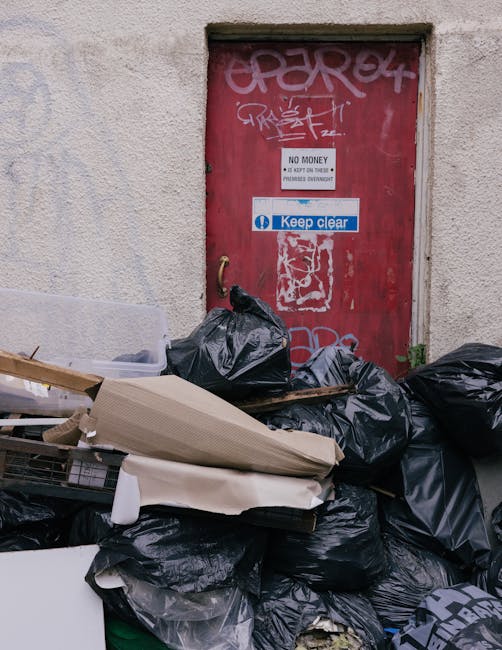
Avoid Hidden Charges for Rubbish Clearance in Ealing: A Practical Guide to Clear, Fair Pricing
If you are trying to avoid hidden charges for rubbish clearance in Ealing, you are probably tired of vague quotes, awkward add-ons, and the sinking feeling that the price will climb once the team arrives. Fair enough. Nobody likes opening the door to a pile of rubbish and a bigger bill than expected. In this guide, we'll walk through how clear pricing should work, what to ask before booking, and how to spot the small details that often turn into unwanted extras.
Whether you need a one-off clear-out, a room-by-room removal, or help with a heavier job like a loft, garage, or builder's waste, the goal is the same: know what you are paying for before anyone starts loading. Simple in theory. A bit messy in real life. Let's clean that up.
Why Avoid Hidden Charges for Rubbish Clearance in Ealing Matters
Hidden charges are not just annoying; they can make a straightforward clear-out feel stressful and unfair. In Ealing, where homes and businesses vary from compact flats to larger family houses and workspaces, the size of the job can change quickly once someone sees the waste in person. One minute it looks like "a few bags and an old chair", the next it includes mixed items, awkward access, or more volume than first thought. That is exactly where confusion creeps in.
Transparent pricing matters because it helps you make a calm decision. Not a rushed one. It also lets you compare rubbish clearance services on the same basis, which is easier said than done if one quote includes labour, loading, disposal, and VAT while another only covers the van arriving at the kerb. That sort of thing happens more often than people expect.
There is also a trust issue. If a company is vague before booking, that vagueness usually does not improve once they are on site. A clear, itemised quote is a sign that the operator understands the job and respects the customer's time. In our experience, that one detail alone saves a lot of back-and-forth later.
And honestly, once you have dealt with one surprise surcharge, you become much sharper the next time. It's almost a rite of passage, though not a fun one.
How Avoid Hidden Charges for Rubbish Clearance in Ealing Works
The basic principle is simple: the price should reflect the actual job, and the customer should understand the terms before collection day. Good rubbish clearance quotes normally depend on a few factors:
- Volume: how much waste needs removing, usually measured by load size or van space.
- Weight: heavier waste can cost more to transport and dispose of.
- Access: stairs, tight hallways, no parking, or long carries can affect labour time.
- Item type: mattresses, furniture, builders' waste, soil, appliances, and mixed loads may be priced differently.
- Sorting requirements: if waste must be separated for recycling or specialist handling, that can change the cost.
- Timing: same-day, weekend, or urgent slots may carry different pricing terms.
The best providers will explain these points in plain language. If you are comparing quotes, take a minute to check whether the price is based on a visit, a photo estimate, or a fixed rate after assessment. None of those is automatically wrong. What matters is that the quote spells out what is included and what could change it.
For example, a quote for a flat clearance may include labour, loading, and disposal, while a separate quote for flat clearance might exclude difficult access or extra bags beyond the stated volume. That is not necessarily a hidden charge if it was clearly explained. The problem is when it is not.
Another sensible point: ask how the team handles "extra" items found on the day. A single old wardrobe can be easy. A wardrobe, broken bed frame, and half a garden shed hidden behind it? Different story. Better to know the rule before the van turns up.
Key Benefits and Practical Advantages
Clear pricing gives you more than peace of mind. It changes the whole experience from reactive to controlled.
- No awkward surprises: you know the likely cost before work starts.
- Easier comparison: you can compare like for like instead of guessing what is included.
- Better planning: useful if you are moving, refurbishing, or working to a tight schedule.
- Less conflict on the day: if everyone has agreed the scope, there is less room for misunderstanding.
- More control over your budget: especially helpful for landlords, offices, and builders who need predictable spend.
There is also a subtle practical benefit that people overlook: when pricing is clear, you make better decisions about what to remove now and what to keep for later. That can save money, time, and a second booking. A good example is a loft clear-out. If you know the cost of taking everything at once, you might decide to include those old boxes and the broken bedside tables now rather than dealing with them next month.
If you need different types of removal work, it also helps to look at services that match the job properly, such as house clearance, home clearance, or waste removal. Matching the service to the waste type is one of the easiest ways to avoid padded costs.
Expert summary: the cheapest quote is not always the best value. The best value is the quote that clearly states what is included, what might change, and how extra items are priced before anyone starts lifting.
Who This Is For and When It Makes Sense
This guidance is useful for almost anyone arranging clearance in Ealing, but it is especially relevant if you are dealing with a job that is not neatly defined. That tends to be where hidden charges sneak in.
You may want to take extra care if you are:
- clearing a flat or maisonette with stairs or awkward access
- emptying a garage, loft, or shed after years of build-up
- moving out and trying to keep end-of-tenancy costs down
- managing an office or business clear-out with multiple item types
- booking builders' waste removal after renovation work
- disposing of bulky furniture that may need more than one person to move
- handling garden waste, which can be lighter-looking than it really is
It also makes sense if you are simply wary. Maybe you have had a bad experience before. Maybe a relative did, and now you are doing the sensible thing by checking the small print. Fair enough. That is not being difficult; it is being careful.
For example, a landlord clearing a rental flat may need a quick turnaround and may be tempted by the first available quote. But if the quote does not mention labour, access, and disposal fees separately, the final invoice can end up higher than expected. That is where a better-branded service, a clearer quote, or a more specific page like office clearance or business waste removal can help you judge whether the provider understands the actual job.
Step-by-Step Guidance
Here is a straightforward way to protect yourself from hidden charges before booking rubbish clearance in Ealing.
- List exactly what needs removing. Write down the items, bags, and estimated volume. Include the awkward bits, not just the obvious ones.
- Take clear photos. Wide shots and close-ups both help. If there are stairs, narrow hallways, or items in a basement or loft, show that too.
- Ask what the quote includes. Labour, loading, transport, disposal, congestion, parking, and VAT should all be clear.
- Ask what could change the price. Extra floors, heavier waste, special handling, or more items than shown in the photos are common examples.
- Confirm the collection scope in writing. A short written message is better than relying on memory. Truth be told, people forget details all the time.
- Check how payment is taken. You should know when and how payment is due. A proper payment and security page can often reassure you that the process is clear and safe.
- Review the terms before booking. Read the booking conditions, cancellation rules, and any minimum charge. It sounds dull. It saves headaches.
- On the day, compare the job to the quote. If the team says the waste differs from the estimate, ask why before agreeing to any change.
A small but useful habit: keep the original quote and screenshots of photos or messages until the job is completed. It takes two minutes and can prevent a whole lot of "I thought you meant..." later.
Expert Tips for Better Results
If you want to avoid hidden charges, the smartest move is to think like the person pricing the job. What would make the work take longer, require more labour, or create more disposal cost? Once you start looking at it that way, the quote becomes easier to test.
1. Don't underdescribe the waste. Calling a load "general rubbish" when it includes plasterboard, broken furniture, or heavy rubble may lead to a pricing mismatch. Be specific.
2. Show access honestly. If the clearance involves three flights of stairs or a tight corner in the hallway, say so. A smooth quote is better than a surprised one.
3. Ask whether the price is fixed or estimated. Fixed pricing can be helpful if the job is well described. Estimated pricing may suit larger or less predictable clearances, but the variables should be explained.
4. Think in terms of load type, not just item count. A van full of lightweight bags is not the same as a van full of dense construction waste. This is where a service like builders' waste clearance may be more appropriate than a general rubbish removal booking.
5. Ask about recycling and reuse. If some items can be separated for reuse or recycling, that may affect the cost and the environmental outcome. A provider with a clear recycling and sustainability approach is usually more transparent about what happens to your waste.
6. Keep your booking details simple and complete. Too many vague messages create confusion. Better to say: "Two sofas, one mattress, six bags, and a dismantled wardrobe from the second floor." Plain English works.
And yes, sometimes you do feel like you are writing a mini inventory for a moving company with a sore back. That's life, apparently.
Common Mistakes to Avoid
The most common mistake is assuming every quote means the same thing. It does not. Not even close.
- Choosing the cheapest headline price without checking what it covers. A low figure can be misleading if loading, labour, or disposal is extra.
- Leaving out access details. Stairs, lifts, parking restrictions, and narrow roads matter more than people think.
- Forgetting to mention heavy or specialist items. Old appliances, bulky wardrobes, wet garden waste, and builders' rubble can change the picture.
- Not reading the terms and conditions. This is where minimum charges, waiting time, and cancellation terms often live.
- Assuming all "rubbish clearance" services are the same. Some are better suited to domestic clear-outs, others to business or renovation waste.
- Agreeing to changes too quickly on the day. If the team says the job is different, ask for the reason and the revised price clearly.
A very human mistake is simply being in a rush. The flat is half-packed, the builders are due, someone wants the space cleared by Tuesday, and you just want the problem gone. Under pressure, we all skip a detail or two. That is exactly when hidden charges like to show up.
If you are clearing a specific space such as a loft, garage, or garden, it helps to use the most relevant service page and compare the scope carefully, whether that is loft clearance, garage clearance, or garden clearance.
Tools, Resources and Recommendations
You do not need special software or a spreadsheet to avoid hidden charges, but a few simple tools make the process easier.
- Photo list on your phone: take pictures from each room and label them mentally by area.
- Short written inventory: a note app or paper list works fine.
- Measurements for large items: useful for wardrobes, beds, desks, or oversized cabinets.
- Access notes: parking restrictions, floor number, lift availability, and gate codes if relevant.
- Quote comparison: compare item scope, labour, and disposal terms rather than just the headline total.
It can also help to look at pages that explain pricing and expectations before you book. A clear pricing and quotes page should give you a better sense of how the company structures its charges. If you are arranging a more specific type of job, a focused service page like furniture clearance or furniture disposal may help you judge whether the provider is quoting for the right category of waste.
One more recommendation: keep your questions short and direct. "What is included?" "What changes the price?" "Are there any additional fees I should know about?" Clear questions tend to produce clear answers. Funny how that works.
Law, Compliance, Standards, or Best Practice
This topic touches on money and waste handling, so it is worth being careful. In the UK, you should expect a rubbish clearance provider to operate responsibly, dispose of waste properly, and explain charges in a way that is not misleading. The exact legal duties can vary by service type and circumstance, but as a customer you are entitled to clear information before agreeing to work.
Best practice usually includes:
- plain-language quotes
- clear scope of work
- transparent payment terms
- responsible waste handling and disposal
- honest explanation of extra charges before they are applied
If you are using a service for a workplace or commercial property, extra care is sensible because business waste can involve more varied materials, more people, and tighter deadlines. You may also want to understand how the provider manages site safety, which is why pages like health and safety policy and insurance and safety can be useful trust signals when reviewing a company.
For domestic jobs, especially larger clear-outs, there is no harm in asking how the team separates reusable items from waste and whether their process supports recycling where practical. A sensible provider should be able to explain this without sounding defensive. If they get shifty when you ask basic questions, that tells you something too.
Options, Methods, or Comparison Table
Different jobs call for different approaches. Comparing them side by side makes it easier to see where hidden charges can appear.
| Approach | Best for | Risk of hidden charges | What to check |
|---|---|---|---|
| Fixed-price quote | Clearly defined loads with good photos and access details | Low if the scope is accurate | What exactly is included and what counts as extra |
| Estimated quote | Larger or less predictable clearances | Medium | Which variables could change the price |
| Per-load or volume-based pricing | Mixed household waste or bulky items | Medium to high if the load is not described well | How volume is measured and what happens if the load is larger |
| Service-specific clearance | Furniture, garage, loft, garden, office, or builders' waste | Low to medium | Whether the waste type matches the service category |
In many cases, the most transparent option is the one that fits the job category properly. If you are clearing a business premises, look at business waste removal or office clearance. If you are dealing with a domestic property, house clearance or home clearance may be more relevant. Matching the job to the service usually reduces confusion before it starts.
Case Study or Real-World Example
Here is a realistic example. A homeowner in Ealing needed a mixed clear-out after a loft reorganisation: old suitcases, a broken chest of drawers, bags of paper, and a few bits of heavier clutter that had been sitting there for years. At first glance, it looked like a small job. But once the access was factored in, it was a third-floor walk-up, and the loft hatch was awkward. Not terrible, but enough to matter.
Instead of asking for a vague "rubbish removal" price, the homeowner sent photos, listed the items, and mentioned the stairs. The provider gave a clearer quote and explained that if extra bulky pieces were added on the day, the price might need adjusting. The customer removed a couple of items beforehand and kept the rest within the agreed scope. Result: no arguments, no surprise invoice, no awkward pause at the front door. Just a tidy loft and a bill that made sense.
That kind of situation comes up all the time. The job itself may be ordinary, but the pricing only stays fair if both sides describe it properly. Small detail, big difference.
Practical Checklist
Use this checklist before you book.
- Have I listed every item or waste type that needs removing?
- Have I taken photos that show volume and access?
- Have I mentioned stairs, parking, lifts, or narrow access routes?
- Do I know whether the quote is fixed or estimated?
- Have I asked what is included in the price?
- Have I asked what could trigger extra charges?
- Do I understand the payment method and timing?
- Have I read the terms and conditions?
- Have I chosen the right service type for the waste?
- Have I kept a copy of the quote and messages?
If you can tick all of those off, you are in a much stronger position. Not perfect, maybe, but strong enough to avoid the usual traps.
Get a free quote today and see how much you can save.
Conclusion
The smartest way to avoid hidden charges for rubbish clearance in Ealing is to slow the process down just enough to get clarity. Ask direct questions, describe the job properly, and make sure the quote matches the waste, the access, and the timing. A good clearance service will not mind that at all. In fact, they should welcome it.
Whether you are clearing a home, flat, garage, office, loft, or garden, clear pricing gives you control. It keeps the job calm, practical, and far less stressful than it needs to be. And in a busy place like Ealing, where people are often juggling moving dates, tradespeople, and daily life, that calm matters more than it sounds.
Do the small checks now, and the rest of the job becomes much easier. Nice and simple, really.
Frequently Asked Questions
What are hidden charges in rubbish clearance?
Hidden charges are extra fees that were not clearly explained before booking. They may involve labour, access, disposal, heavier waste, or charges for items not included in the original quote.
How can I tell if a rubbish clearance quote is fair?
A fair quote should explain what is included, how the price is calculated, and what could increase the cost. If the quote is vague or overly brief, ask for more detail before agreeing.
Do I need to send photos before booking rubbish clearance?
Photos are very helpful. They give the provider a better idea of volume, access, and item type, which reduces the chance of a pricing dispute later.
Why do stairs or difficult access affect the price?
Because they increase the time and effort needed to move items safely. More labour usually means a higher cost, especially for bulky or heavy waste.
Is a fixed-price quote better than an estimate?
Not always. A fixed-price quote can be great if the job is described accurately. An estimate can suit larger or less predictable clearances, but the changing factors should be explained clearly.
Can rubbish clearance prices change on the day?
Yes, but only if the actual job is different from what was described. If that happens, the provider should explain why the price changes before continuing.
How do I avoid paying for items I did not remove?
Make a clear list, take photos, and confirm the scope in writing. That way, both sides know exactly what has been agreed.
Should I choose a general rubbish clearance or a specialist service?
Choose the service that best matches the waste. For example, furniture, garden waste, builders' waste, or office items may be better handled through the relevant service category.
What should be included in a good clearance quote?
Usually the quote should cover labour, loading, transport, and disposal. It should also explain any likely extras, such as difficult access, heavy waste, or special handling.
Does recycling affect rubbish clearance pricing?
It can, depending on how items need to be separated and handled. A clear explanation of recycling practices is a good sign that the provider is being transparent.
What if I need rubbish clearance for a business premises?
Business jobs often need more careful planning because of timing, item variety, and access. It helps to use a service suited to commercial waste and to confirm the scope before booking.
Where can I check a company's booking or payment terms?
Look for pages that explain payment, terms, safety, and the complaint process. Clear policies are usually a sign that the company values transparency and customer trust.
For more details on service scope and pricing expectations, it can also help to review pricing and quotes, terms and conditions, and the company's complaints procedure. Those pages won't remove the need to ask questions, but they do make the process a lot clearer.
A final thought: the best rubbish clearance job is the one that feels uneventful in the right way. No surprise fees, no crossed wires, no drama at the end. Just the space back, and a bit of relief when you look around and realise it's done.